
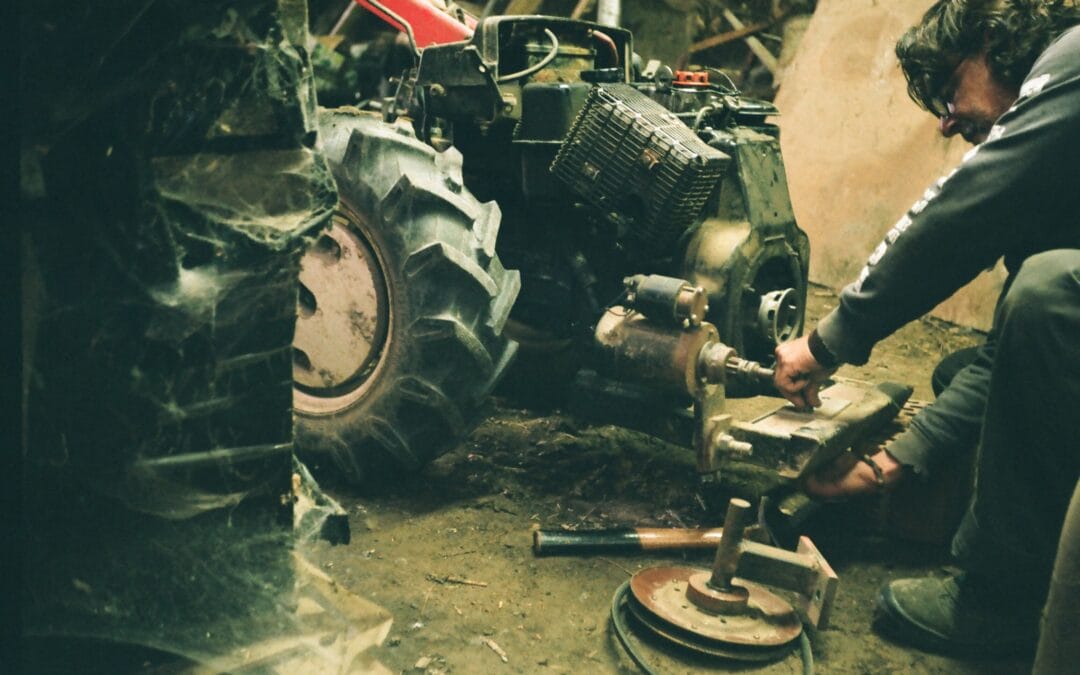
Farm tractors are among the hardest-working pieces of equipment on any Manitoba farm. From spring planting to fall harvest, tractors often operate in demanding conditions that can take a toll on critical components. Regular maintenance helps reduce downtime, improve reliability, and keep equipment ready when it is needed most.
Whether you manage a small operation or a large agricultural property, following a proactive maintenance routine can help extend the life of your equipment and reduce the risk of unexpected repairs.
Why Regular Tractor Maintenance Matters
Manitoba’s climate presents unique challenges for farm equipment. Extreme temperature changes, dust, mud, moisture, and long operating hours can all contribute to wear and tear.
Routine inspections allow operators to identify minor issues before they become costly problems. Staying on top of maintenance can also help improve performance and support safer operation throughout the year.
Start With Daily and Weekly Inspections
A quick walk-around inspection before operating a tractor can help identify potential concerns early.
Check Fluid Levels
Monitor essential fluids regularly, including engine oil, coolant, hydraulic fluid, transmission fluid, and fuel levels. Low or contaminated fluids can affect performance and potentially cause damage to important systems.
Inspect Tires
Tractor tires should be checked for proper inflation, uneven wear, cracks or cuts, and embedded debris. Maintaining correct tire pressure helps support traction, fuel efficiency, and overall equipment performance.
Keep Filters Clean and Replaced as Needed
Filters play an important role in protecting a tractor’s engine and systems. Key filters to monitor include air filters, fuel filters, oil filters, and hydraulic filters.
Dusty field conditions can cause filters to clog more quickly, especially during busy farming seasons. Following manufacturer recommendations for replacement intervals can help keep equipment operating efficiently.
Pay Attention to the Battery
Cold Manitoba winters can be particularly hard on tractor batteries. To help maintain battery health:
- Clean corrosion from terminals
- Check cable connections
- Test battery performance periodically
- Store equipment properly during extended periods of inactivity
A battery inspection before seasonal use can help prevent unexpected starting issues.
Monitor Belts, Hoses, and Connections
Belts and hoses experience constant stress during operation.
Look for signs such as cracking, fraying, leaks, or loose connections Replacing worn components before failure occurs can help avoid unnecessary downtime during critical farming periods.
Schedule Regular Professional Inspections
While routine maintenance can often be handled on-site, professional inspections remain an important part of tractor care. Experienced technicians can identify developing issues that may not be visible during daily inspections. They can also perform more advanced diagnostics and repairs when necessary.
When equipment requires expert attention, working with a qualified tractor mechanic Winnipeg farmers trust can help keep machinery operating efficiently throughout the season.
Prepare Tractors for Seasonal Changes
Seasonal transitions are a good time to perform a more comprehensive inspection. Consider checking:
- Cooling systems before summer work
- Batteries before winter storage
- Fluids and filters before peak operating periods
- Tire condition before heavy field use
Keep Your Farm Equipment Working Hard
Regular maintenance remains one of the most effective ways to protect your investment in farm machinery. By performing routine inspections, addressing minor issues early, and scheduling professional service when needed, farm operators can help reduce downtime and maintain productivity throughout the year.
For more complex repairs and inspections, a trusted tractor mechanic Winnipeg service provider can help keep tractors and other equipment operating when it matters most.