Commercial vehicles spend long hours on the road, often carrying valuable cargo and operating under demanding conditions. A thorough pre-trip inspection helps drivers identify potential issues before they become costly breakdowns or safety concerns. Taking a few extra minutes before departure can reduce downtime, improve reliability, and help keep trucks operating efficiently.
For fleets and owner-operators alike, routine inspections are an important part of vehicle maintenance. When repairs or concerns are identified, working with a trusted provider of truck repair Winnipeg services can help address issues before they affect operations.
Why Pre-Trip Inspections Matter
A pre-trip inspection is more than a routine task. It gives drivers an opportunity to verify that critical vehicle systems are functioning properly before heading out on the road.
It can help with:
- Improved vehicle safety
- Reduced risk of roadside breakdowns
- Earlier detection of maintenance issues
- Better protection for drivers, cargo, and other road users
- Increased vehicle reliability
At Quality Mobile Truck & Trailer Repair, preventative maintenance and inspections are part of the services offered to help keep trucks and trailers operating safely and efficiently.
Exterior Walk-Around Inspection
Before entering the cab, perform a complete walk-around of the truck and trailer.
1- Check Tires and Wheels
Inspect all tires for:
- Proper inflation
- Uneven wear patterns
- Cuts, punctures, or visible damage
- Adequate tread depth
2- Inspect Lights and Reflectors
Verify that all exterior lights are clean and operational, including:
- Headlights
- Brake lights
- Turn signals
- Clearance lights
- Marker lights
3- Look for Fluid Leaks
Check underneath the vehicle for signs of:
- Engine oil leaks
- Coolant leaks
- Fuel leaks
- Hydraulic fluid leaks
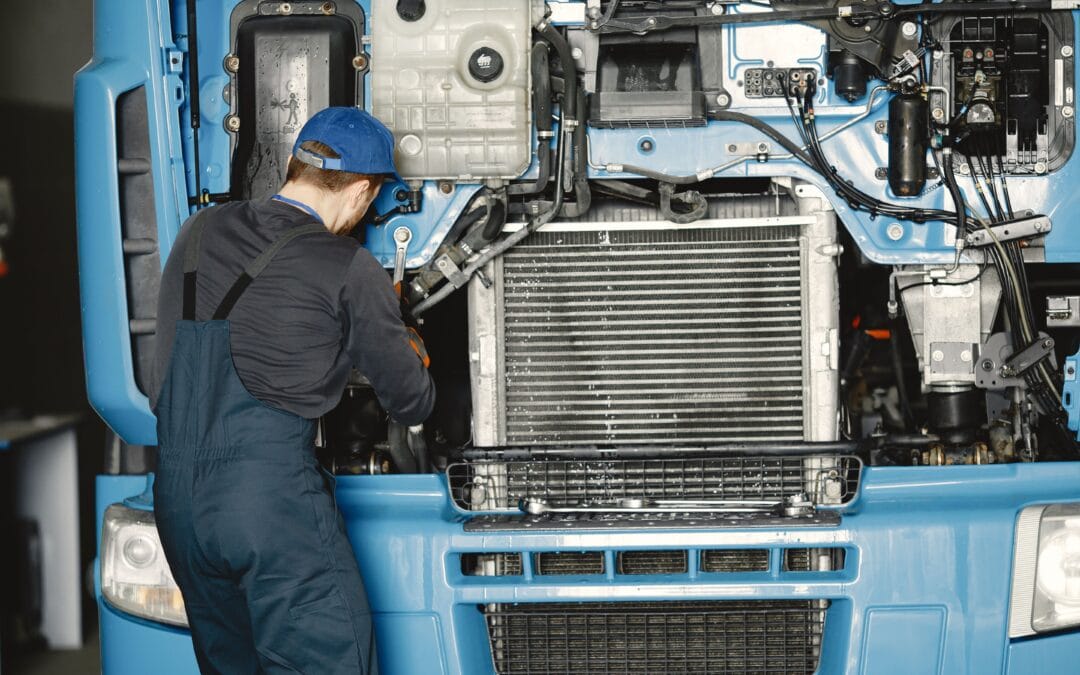
Under the Hood Inspection
The engine compartment should be checked before every trip whenever possible.
1- Inspect Fluid Levels
Confirm that key fluids are at appropriate levels, including:
- Engine oil
- Coolant
- Power steering fluid
- Windshield washer fluid
2- Examine Belts and Hoses
Look for:
- Cracks
- Fraying
- Excessive wear
- Loose connections
If mechanical concerns are identified during inspection, a qualified tractor mechanic can diagnose and repair issues before they escalate into larger problems.
Cab and Safety Equipment Checklist
Once inside the cab, ensure all controls and safety systems are functioning correctly.
1- Test Essential Controls
Check:
- Steering response
- Brake operation
- Horn
- Windshield wipers
- Defrosters
- Mirrors
Any unusual noises, warning lights, or performance issues should be addressed promptly.
2- Verify Emergency Equipment
Drivers should confirm the presence and condition of required safety equipment, such as:
- Fire extinguisher
- Reflective warning devices
- Spare fuses, if applicable
- First-aid supplies
Being prepared for unexpected situations can help minimize delays and improve roadside safety.
Trailer Inspection
The trailer deserves the same attention as the tractor unit.
Inspect:
- Coupling devices
- Safety chains and connections
- Landing gear
- Trailer lights
- Doors and latches
- Cargo securement systems
Drivers should also ensure cargo is properly secured and distributed according to applicable requirements. When trailer issues arise, professional truck repair Winnipeg services can help restore equipment quickly and reduce disruptions to operations.
Schedule Professional Service
A consistent pre-trip inspection routine can help commercial drivers identify problems before they become major repairs. By checking tires, lights, fluids, safety equipment, and trailer components before every trip, drivers can improve safety, reduce unexpected breakdowns, and support reliable fleet performance.
When repairs or maintenance are needed, partnering with an experienced tractor mechanic or relying on trusted provider of truck repair Winnipeg services can help keep commercial vehicles operating at their best.