A trailer may look roadworthy from the outside but still have mechanical problems that prevent it from passing a Periodic Mandatory Vehicle Inspection (PMVI) in Manitoba. Defects involving brakes, tires, suspension, structural components, and coupling systems can create serious safety risks. Identifying these problems before an inspection helps prevent unexpected repair costs, delays, and potential safety issues on the road.
1. Faulty Brake Systems
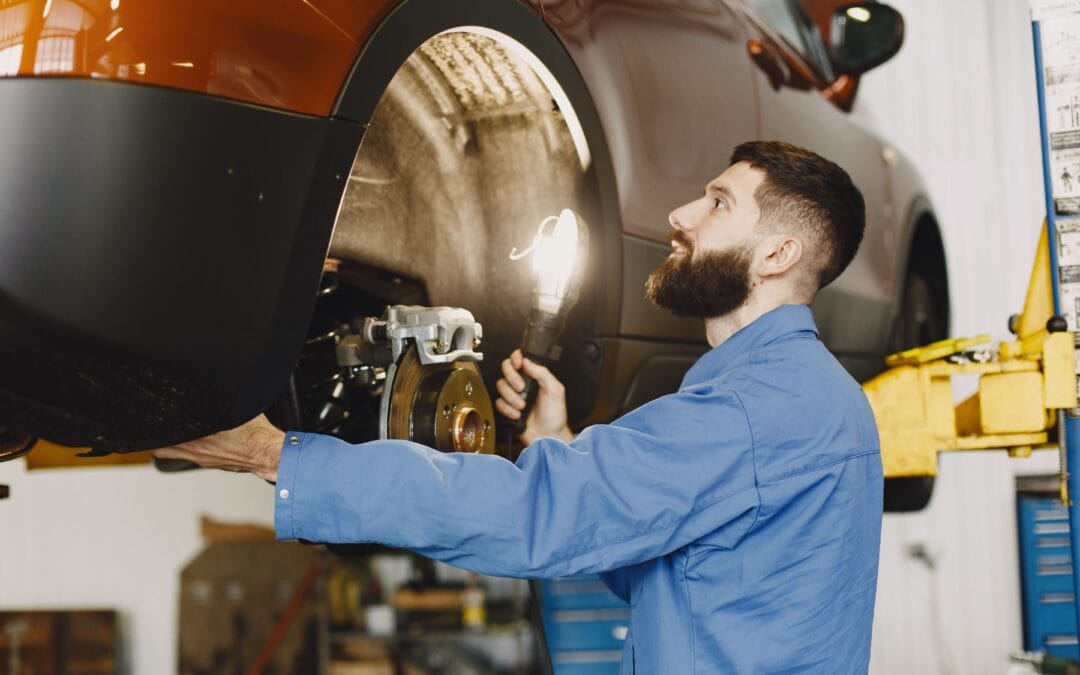
Brake problems are among the most serious reasons a trailer may fail a safety inspection. Inspectors check whether the braking system operates correctly and meets applicable safety standards. Worn brake shoes, damaged brake chambers, leaking air lines, and poorly adjusted brakes can affect stopping performance.
Other concerns include malfunctioning spring brakes, defective emergency brakes, and air leaks that reduce system pressure. Electric trailer brakes must also function properly. Any defect that compromises braking performance requires attention before the trailer can pass.
2. Damaged Tires and Wheel Components
Tires carry the trailer’s load and maintain contact with the road. Excessive tread wear, exposed cords, visible damage, bulges, and improper tire condition can result in inspection problems.
Inspectors also examine wheels, rims, and fasteners. Cracked or damaged rims, missing lug nuts, and loose wheel fasteners can increase the risk of wheel separation. Regular checks can help identify these issues before they become serious.
3. Cracked Frames and Structural Damage
The trailer frame supports its entire structure and the weight of its cargo. Cracks, severe corrosion, weakened crossmembers, and damaged structural connections can compromise its strength.
A visibly shifted, cracked, collapsing, or sagging frame member is particularly serious. Damage around suspension mounting points and other load-bearing areas also deserves prompt attention. Structural repairs should restore the trailer’s strength rather than simply cover visible damage.
4. Defective Suspension and Axle Components
Suspension problems can affect trailer stability, tire wear, and load distribution. Inspectors may identify broken leaf springs, damaged hangers, worn bushings, defective shock absorbers, or loose suspension connections.
Damaged axles, leaking wheel seals, and bearing problems can also raise safety concerns. These components should be examined carefully, especially when a trailer regularly carries heavy loads over uneven roads.
5. Unsafe Coupling and Lighting Systems
A damaged fifth-wheel connection, defective locking mechanism, or insecure coupling can put the entire vehicle combination at risk. Missing or damaged safety components can also create serious hazards.
Lighting defects matter too. Inoperative brake lights, turn signals, marker lights, and clearance lamps can reduce visibility and make it difficult for other drivers to recognize the trailer’s movements.
Preparing Your Trailer for a Manitoba PMVI
A pre-inspection assessment can help identify mechanical problems before the official inspection. Arrange professional trailer repair in Winnipeg when you notice unusual noises, uneven tire wear, brake performance changes, or visible structural damage.
A qualified tractor mechanic in Winnipeg can also assess related tractor and trailer systems to help ensure the complete vehicle combination is operating safely.
Get Your Trailer Ready for Inspection with Quality Mobile Truck & Trailers!
Preparing for a PMVI does not have to be stressful. Quality Mobile Truck & Trailers provides truck and trailer repair services to help address mechanical concerns and maintain dependable equipment. Visit Quality Mobile Truck & Trailers to learn more about our available services and discuss your trailer maintenance and repair needs.